How to Approach Eco-Friendly Floor Restoration in London
There is a quiet shift happening in the world of wood floor restoration. For years, the default approach to reviving a tired floor meant heavy chemical strippers, solvent-laden sealers, and a fair bit of dust sent into the air. That is changing. More homeowners and commercial property managers in London are asking about methods that do less harm to the environment and to the people who work and live on those floors. The term "eco-friendly floor restoration" covers a lot of ground, from the products you choose to the techniques your contractor uses. Getting it right means understanding what actually works on oak parquet, engineered wood, and the other common flooring in this city.
What Makes a Floor Restoration Eco-Friendly?
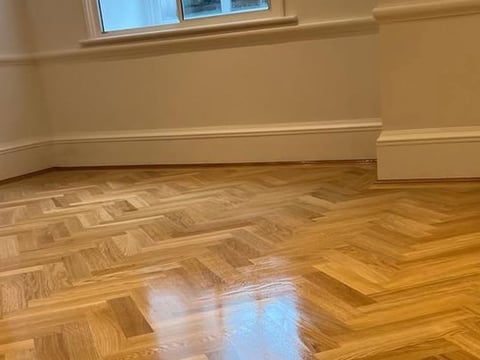
Eco-friendly floor restoration is not a single product or a one-size-fits-all system. It is a combination of choices that reduce volatile organic compounds, minimise waste, and extend the life of the wood so that replacement is delayed or avoided entirely. The most impactful change you can make is the finish itself. Traditional polyurethane sealers and lacquer finishes release a lot of VOCs during application and curing. Newer formulations, especially those from brands like Bona and Osmo, have water-based or natural oil alternatives that perform just as well on high-traffic areas without the strong fumes. Osmo's UV oil, for example, gives a hard-wearing surface that is food-safe and low in VOCs, which makes it a good pick for a family home or a cafe floor.
Another factor is the sanding process. Conventional sanding kicks up fine dust that can hang in the air for hours and end up in your lungs or on nearby surfaces. Dustless buffing systems, now standard with many London Floor Restoration specialists, capture that dust at the source. The equipment uses a vacuum seal around the sander so almost nothing escapes. That is better for the installer, for your furniture, and for the air quality inside the property. It also means the floor can be used sooner after the work is done.

The Role of Maintenance in Sustainability
The greenest floor is the one that does not need to be replaced. Regular maintenance services, like a light sand and recoat every few years, can keep a floor looking good for decades. This is where the approach to eco-friendly floor restoration really pays off. Instead of stripping the whole surface back to bare wood and starting over, you can sand just the top layer and apply a fresh coat of the same finish. It uses less material, less energy, and less time. For commercial sanding jobs, such as in a shop or an office, that reduced downtime is a real benefit.
Stain removal is another area where people reach for harsh chemicals. Many common stains, from red wine to pet urine, can be lifted with a wood filler or a gentle bleach solution that is pH neutral. Norseal produces a range of maintenance cleaners that are water-based and designed to work with their sealers, so you are not introducing something aggressive that could damage the wood or the finish. A magic mop with a microfiber head and a mild cleaner is often all you need for daily care.
Products That Deliver Real Results
When you are looking at finishes, the choice between a lacquer finish and a hard wax oil often comes down to the look you want and the wear the floor will take. Lacquer finishes, especially the water-based ones from Bona, form a tough plastic layer on top of the wood. They are excellent for high-traffic corridors and areas where there may be spills. Hard wax oils, like those from Osmo, penetrate the wood and harden from within. They give a more natural, matte look and are easier to spot-repair if a section gets damaged. The trade-off is that oiled floors need a little more regular care, but many people prefer the feel and the fact that they can sand a small area and re-oil it without refinishing the whole room.
For engineered wood, which has a thin top layer of real wood over a plywood or HDF core, sanding depth is a real concern. You cannot sand engineered wood as aggressively as solid oak parquet. A floor scraper might be too aggressive. Here, a gentle screen or pad buffing with a dustless system is the safer route, followed by a recoat. The same principle applies to olympic flooring, which is often used in dance studios and sports halls. That type of flooring needs a finish that can flex and take impact without cracking, and a UV oil or a polyurethane sealer with some flexibility built in is a good fit.
How to Vet a Contractor for Green Practices
Not everyone who says they do eco-friendly floor restoration actually follows through. When you are talking to a company, a few questions help separate genuine practice from marketing. Ask what finishes they carry and whether they offer a water-based or natural oil option as standard. A contractor who stocks only solvent-based products is probably not set up to do low-VOC work. Ask about their dust management. If they still use a bagged sander without a HEPA vacuum, the dust will go everywhere. Commercial sanding in particular should always be done with a sealed dustless system, especially in occupied buildings.
Also, look at how they handle waste. Old finish and sanding dust should be disposed of properly, not washed down a drain. A responsible company will have a clear process for that. London Floor Restoration, for example, has been in the business since 2006 and uses Bona and Osmo products as part of their regular offering. They also do wood floor repair and maintenance services that keep floors in use longer, which is inherently more sustainable than replacement.
Practical Steps to Extend the Life of Your Floor
Once you have a restored floor, the best thing you can do is protect it from the start. Put felt pads under furniture legs, keep grit mats at the entrances, and wipe up spills quickly. A magic mop used weekly with a manufacturer-recommended cleaner will keep the surface free of grit that acts like sandpaper underfoot. Avoid wax-based polishes that build up over time and make the next restoration harder. If you see a scratch or a dull patch, address it early. A small repair with a matching wood filler and a dab of finish can stop a localised problem from turning into a full refinish job.
For commercial spaces, a scheduled maintenance programme is worth the investment. A commercial sanding and recoat every two to three years, depending on traffic, will keep the floor in top condition without the disruption of a full strip. That routine is a core part of any serious maintenance services plan. It also means you are using less finish and less energy over the life of the floor, which is the real point of eco-friendly floor restoration.

Final Thoughts on the Approach
Eco-friendly floor restoration is not a gimmick. It is a set of practical choices that add up to a healthier indoor environment and a longer life for the wood. The products are there, the equipment is there, and the know-how is there. The challenge is picking the right combination for your specific floor and your budget. A conversation with a specialist who knows the difference between a lacquer finish for a busy reception and a UV oil for a quiet bedroom will save you time and money. And it will give you a floor that looks good and feels right underfoot, without the chemical hangover that used to come with the job.